You’ve made up your mind: you’re getting another tattoo. But that’s when the next puzzle begins. What are actually the best spots for a tattoo, and where should you get it done? Because believe us: the spot matters just as much as the design itself. Pain, healing, visibility, how long it stays looking good—it all depends on where on your body you choose to get it.
In this blog, we’ll take you through the most popular spots for a tattoo: the wrist, ankle, collarbone, ribs, and neck. For each spot, we’ll tell you exactly what to expect in terms of pain, healing, and aftercare, plus a few trends we’re seeing a lot of in our studios right now. That way, you’ll be able to step into the chair with a well-informed decision.
Why Choosing the Right Spot for a Tattoo Is So Important
Not every part of your body is the same. Some areas are close to the bone, while others have many nerve endings or move constantly throughout the day. This directly affects:
- Pain: the closer it is to bone or nerves, the more intense it usually feels
- Healing: Areas subject to a lot of friction (from clothing or movement) often heal more slowly
- How long it stays beautiful: sunlight, movement, and skin type all play a role
- Visibility: something to keep in mind if you have a job with a dress code
With that in mind, let’s take a look at the best places to get a tattoo.
Wrist
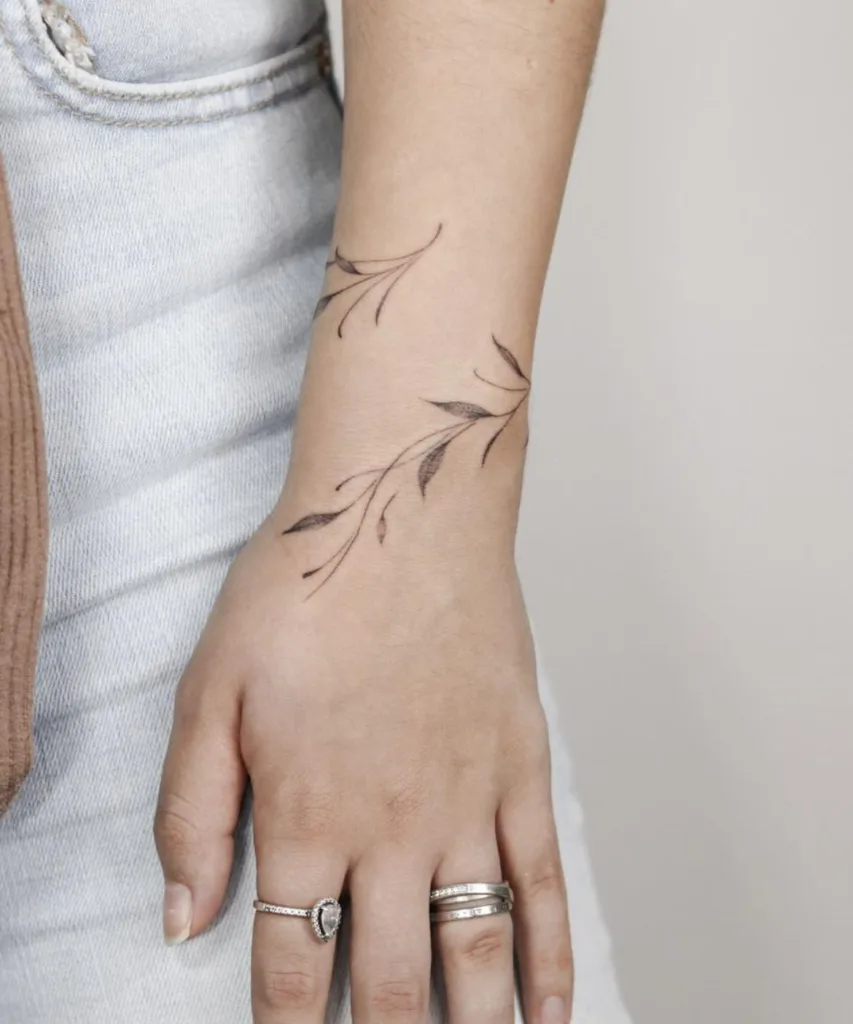
The wrist is extremely popular, especially for small, delicate designs. Think of a small symbol, a name, or a fine-line tattoo.
Pain: Pretty intense. The skin here is thin over the bone and tendons, and there are a lot of nerve endings concentrated in this area. Most people describe it as sharp, but it’s over quickly because the affected area is usually small.
Healing: Your wrist is constantly moving—whether you’re typing, cooking, or holding your phone. Because of this, it may take a little longer for the tattoo to heal completely. Keep in mind that you’ll need to keep a close eye on it during the first few days.
Aftercare: Apply a thin layer of aftercare balm regularly and avoid tight bracelets or watches until the skin has healed. Wash your hands often, but don’t let water come into contact with the tattoo itself for too long.
Trend: Minimalist lines and symbols have been the favorite here for years. We’re also seeing more and more wrists with several small tattoos placed side by side (a sort of “collection”).
Ankle
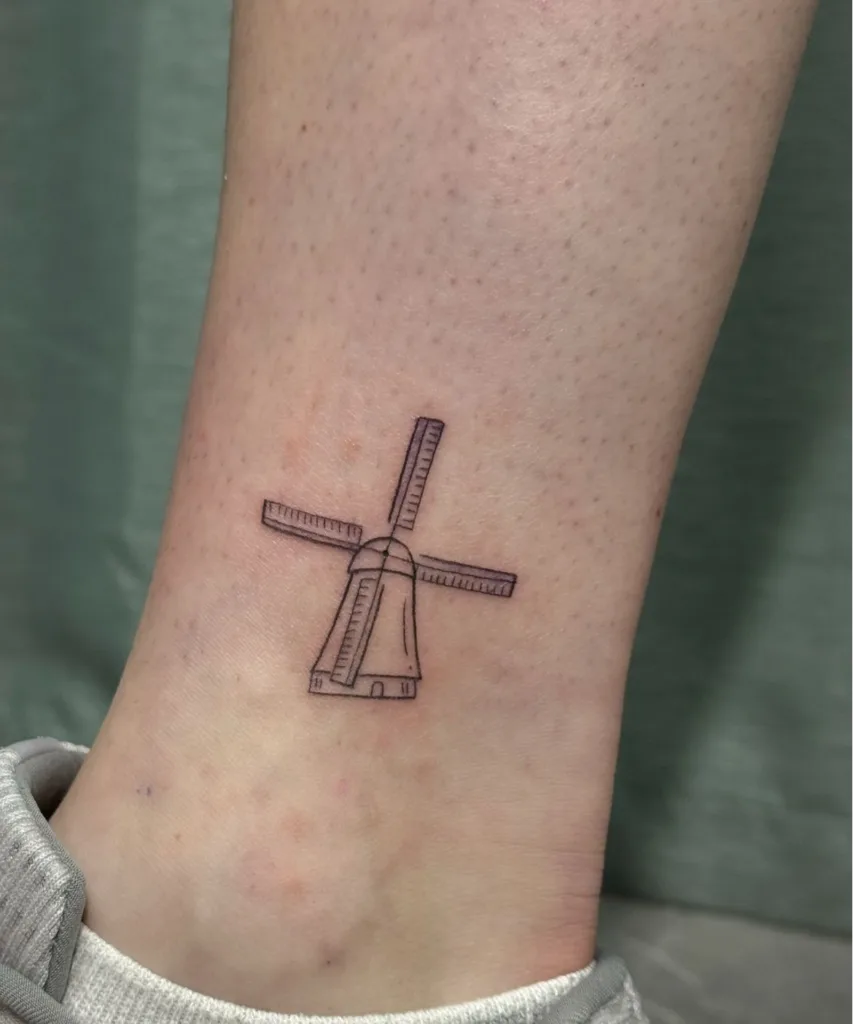
The ankle-length style is a classic, and for good reason: it’s subtle, but you can also show it off whenever you want.
Pain: Just like the wrist, the ankle is close to the bone, so expect a sharp, stinging sensation. The inner part of the ankle (closer to the other leg) is often slightly more sensitive than the outer part.
Healing: Shoes and socks cause friction, so it’s best to schedule your tattoo for a time when you can easily wear open-toed shoes. It’s best to hold off on long walks or exercise for the first week.
Care: Wear loose socks, avoid tight-fitting shoes, and take extra care when showering. Moisture combined with friction is the biggest obstacle to proper healing.
Trend: Small straps, wavy patterns, or subtle words around the ankle are still popular, especially in a fine-line style.
Clavicle
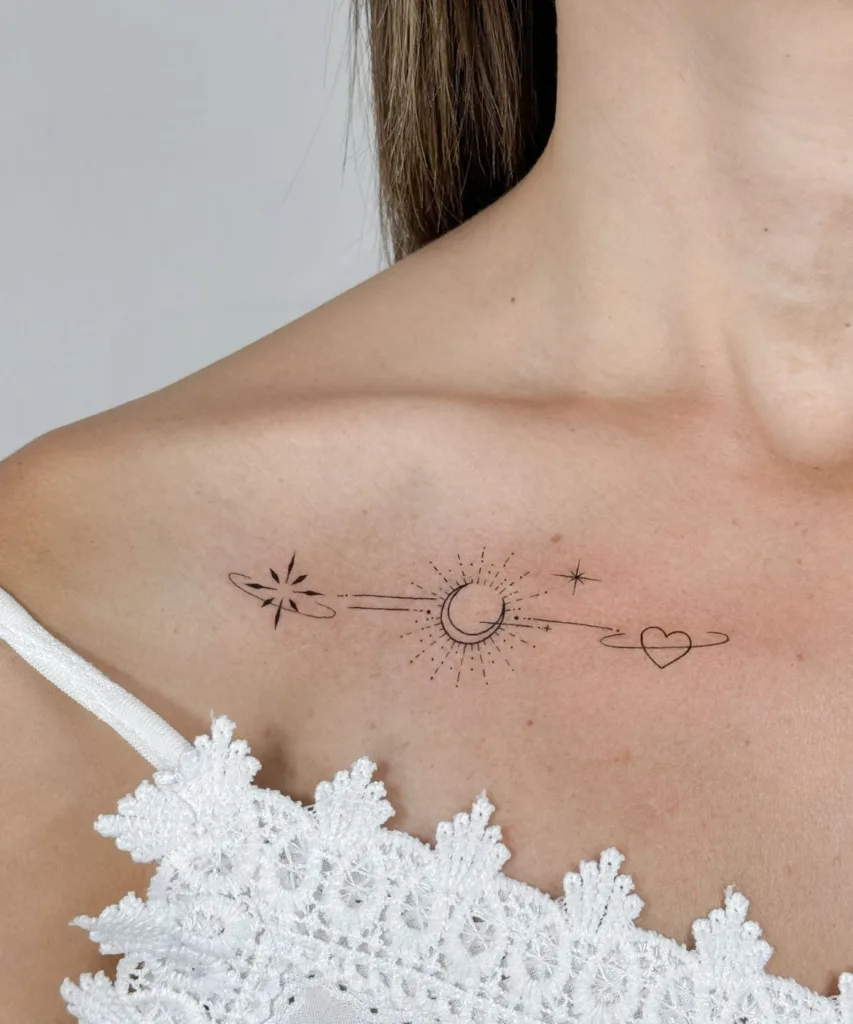
A real statement spot. The collarbone tattoo combines elegance with a touch of daring.
Pain: This is one of the more painful spots on this list. Thin skin, right on top of the bone, with very little flesh in between: you’ll feel every move. Keep breathing calmly; it often gets easier after the first few minutes.
Healing: Because clothing often rubs against this area (bra straps, shirts), it’s important to wear loose-fitting clothing during the healing process. Avoiding sun exposure is especially important here, since the collarbone is often exposed.
Care: For the first few days, choose a loose-fitting top or sweater without any rough edges. SPF is your best friend once the skin has healed, because this area is often exposed to a lot of sun.
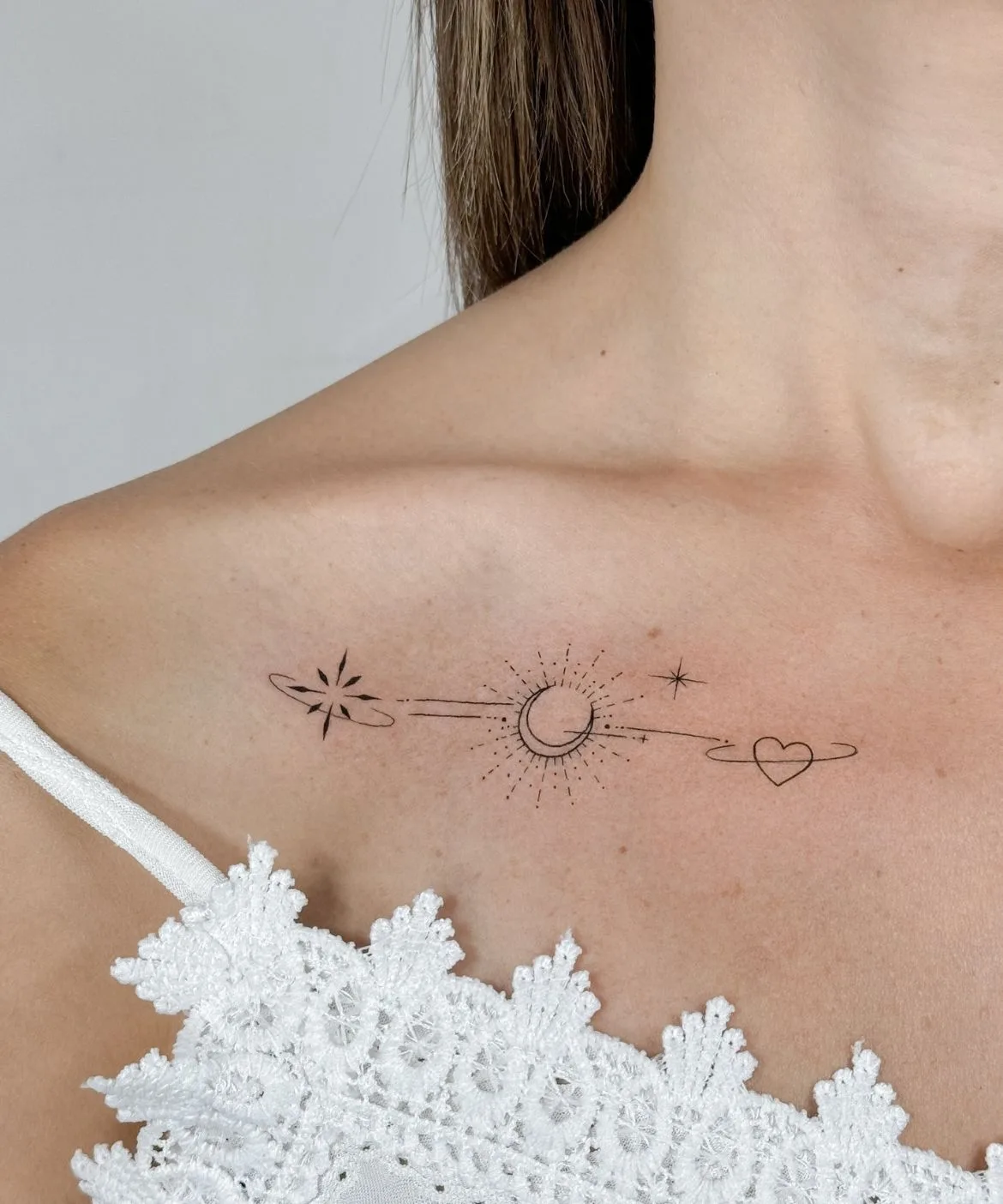
Trend: Graceful, flowing lines that follow the shape of the collarbone are extremely popular, as are small floral motifs.
Shoulder
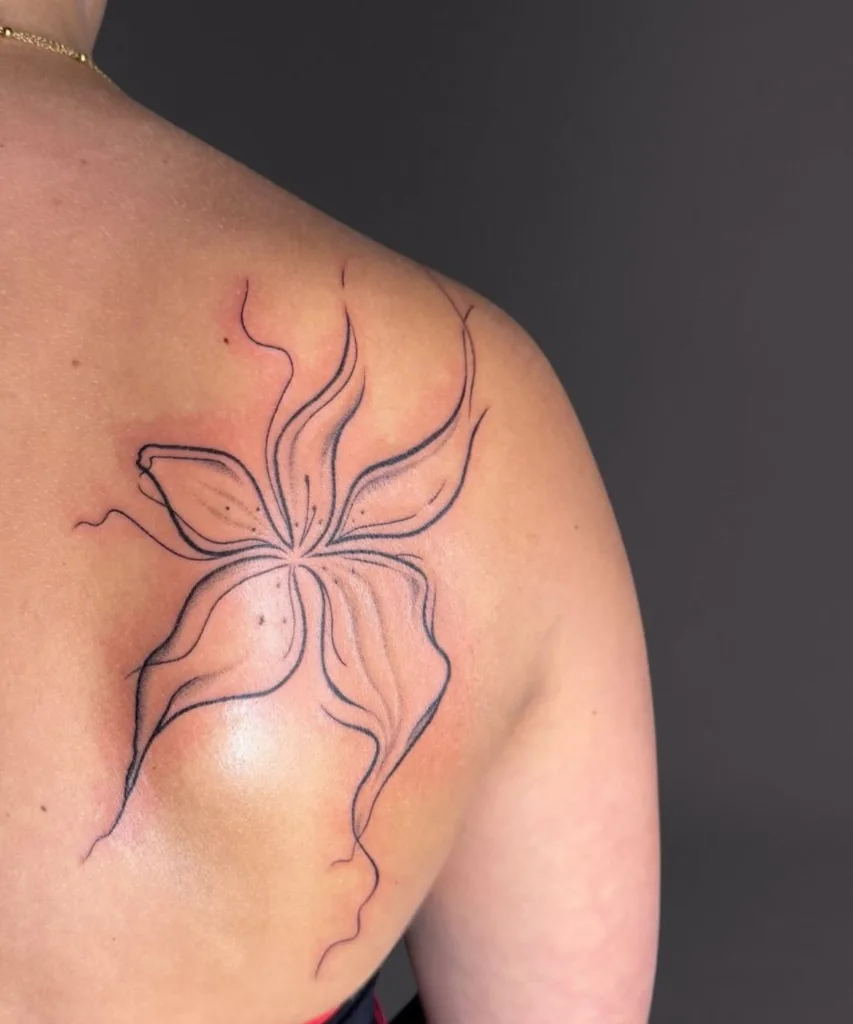
The shoulder is a popular choice for those who want to start with a slightly larger tattoo but still want the option to hide it under a shirt.
Pain: Generally manageable. There is enough muscle and fat tissue on the shoulder, so many people find this a comfortable place to start. However, the pain does become sharper right on top of the shoulder joint or close to the collarbone, because you’re closer to the bone there.
Recovery: The shoulder moves a lot during everyday activities such as lifting, reaching, and sleeping on your side, so this may cause some discomfort during the first few days. Tight shirts or bag straps can rub against the area, so keep that in mind.
Aftercare: For the first week, wear loose-fitting shirts without tight sleeves, and be careful when wearing a backpack or bag with shoulder straps. Apply sunscreen regularly and protect your skin from the sun once it has healed.
Trend: The shoulder is an excellent spot for both small, subtle tattoos and larger designs that extend toward the upper arm or shoulder blade. Round, organic designs that follow the shape of the joint are very popular right now.
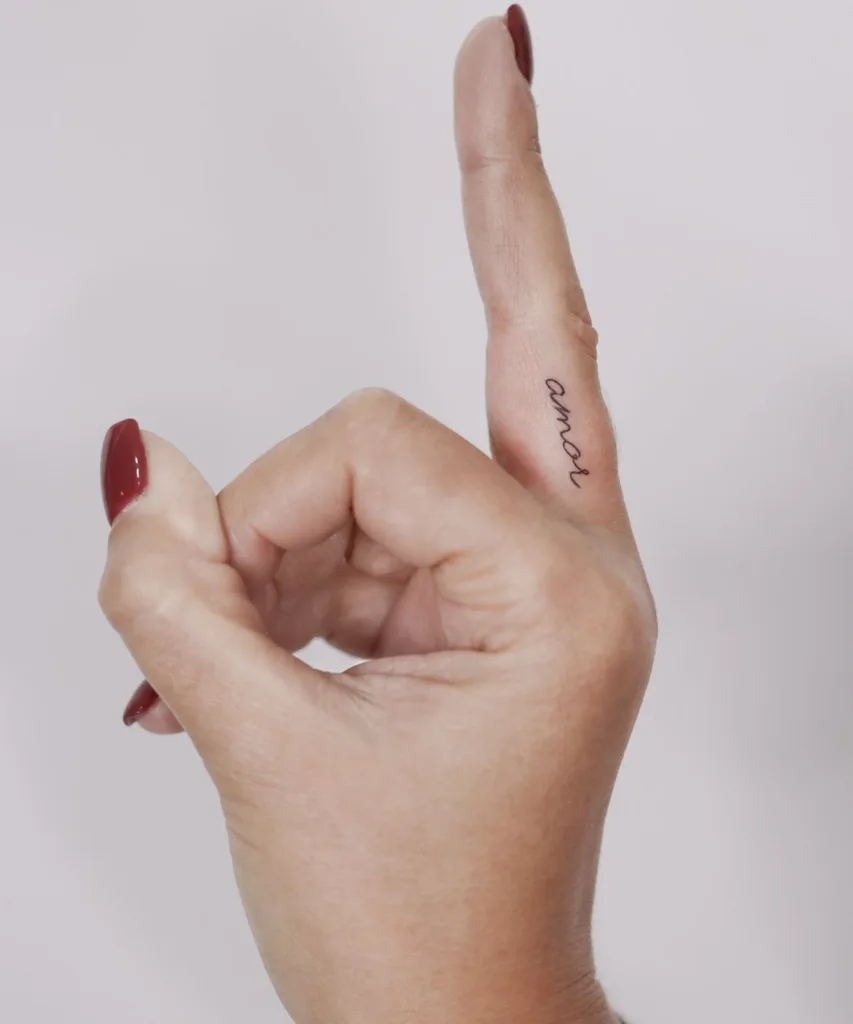
Finger
Finger tattoos are popular for their subtlety, but in terms of healing and durability, they’re a little different from the rest of this list.
Pain: Sharp. The skin on your fingers is thin and lies directly over the bone, with a relatively high concentration of nerve endings. Most people find this one of the more painful areas, although the tattoo itself is often done quickly because of the small surface area.
Healing: It’s hard to keep your fingers still. You use them all day long, from washing dishes to typing, which means healing takes longer here than in most other areas. Pigment also adheres less well here than elsewhere, simply because the skin on your fingers sheds and renews itself more quickly.
Care: Wash your hands gently, wear gloves when washing dishes or cleaning, and apply a thin layer of balm regularly. Avoid wearing rings until the skin has fully healed.
Fading and risk of a “blowout”: Unfortunately, a finger tattoo doesn’t always stay just as sharp. Because the skin is thin there and renews itself quickly, the ink fades faster than on, say, your forearm or calf. In addition, a finger has little underlying fatty tissue, which increases the risk of what’s known as a “blowout”: the ink spreads under the skin, causing lines to appear blurry or thicker than intended. For this reason, we don’t recommend getting super-fine details or tiny lettering on your finger. Slightly thicker lines and simpler shapes simply retain their sharpness longer. A touch-up over time is more the rule than the exception for finger tattoos, and we’d rather tell you that upfront than after the fact.
Trend: Small symbols, thin lines, or a single word are the most popular choices, as long as the lines aren’t too fine.
Ribs
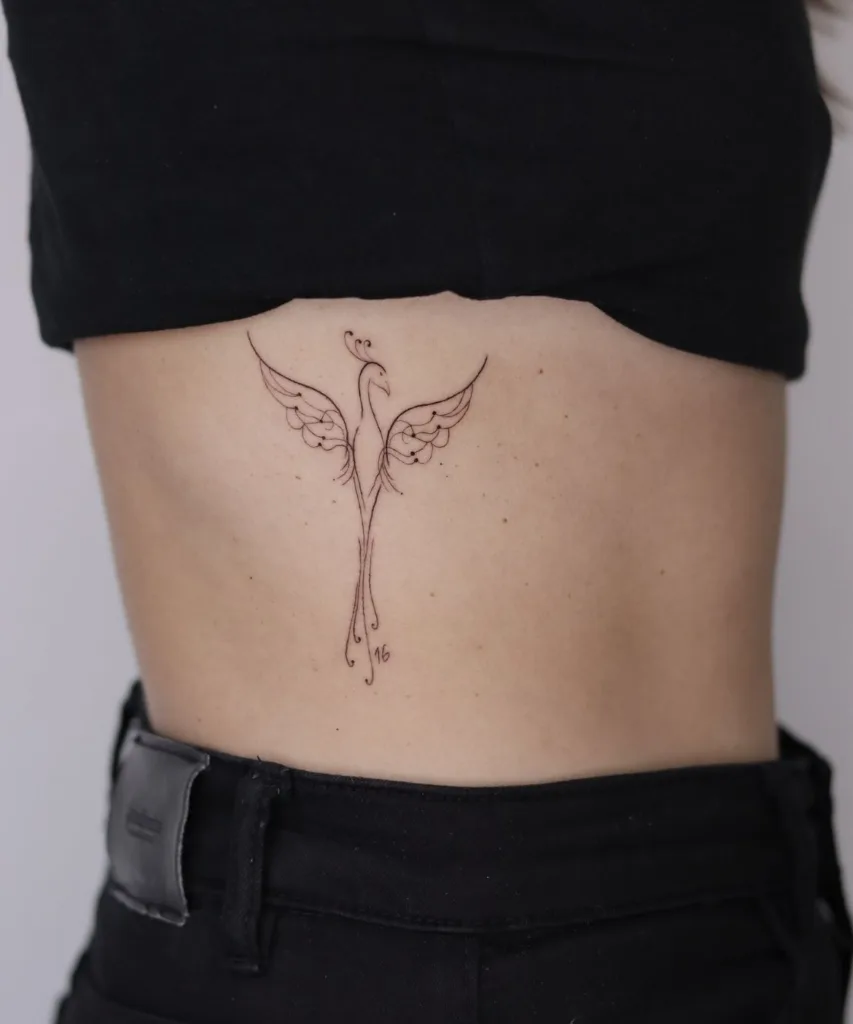
The ribs are known as one of the most painful places to get a tattoo, and that’s true.
Pain: Not much flesh, lots of bone, and a sensitive nerve pathway make this one of the most intense spots. On top of that, your breathing keeps the skin moving as you apply the tattoo. Not for the faint of heart, but definitely doable.
Recovery: Clothing rubs less in this area, but you do move around a lot (think of bending over, stretching, and breathing). Sleeping on your side may be difficult the first few nights.
Care: Wear loose-fitting clothing, avoid tight belts or bras over the tattoo, and give your body time to heal. This area requires a little extra patience during the first few weeks.
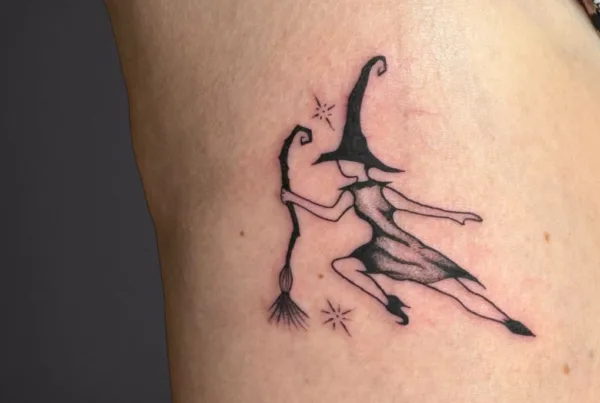
Trend: Larger, narrative designs—such as a continuous pattern or a larger custom design—often look their best here because there is more space than on the wrist or ankle.
Neck
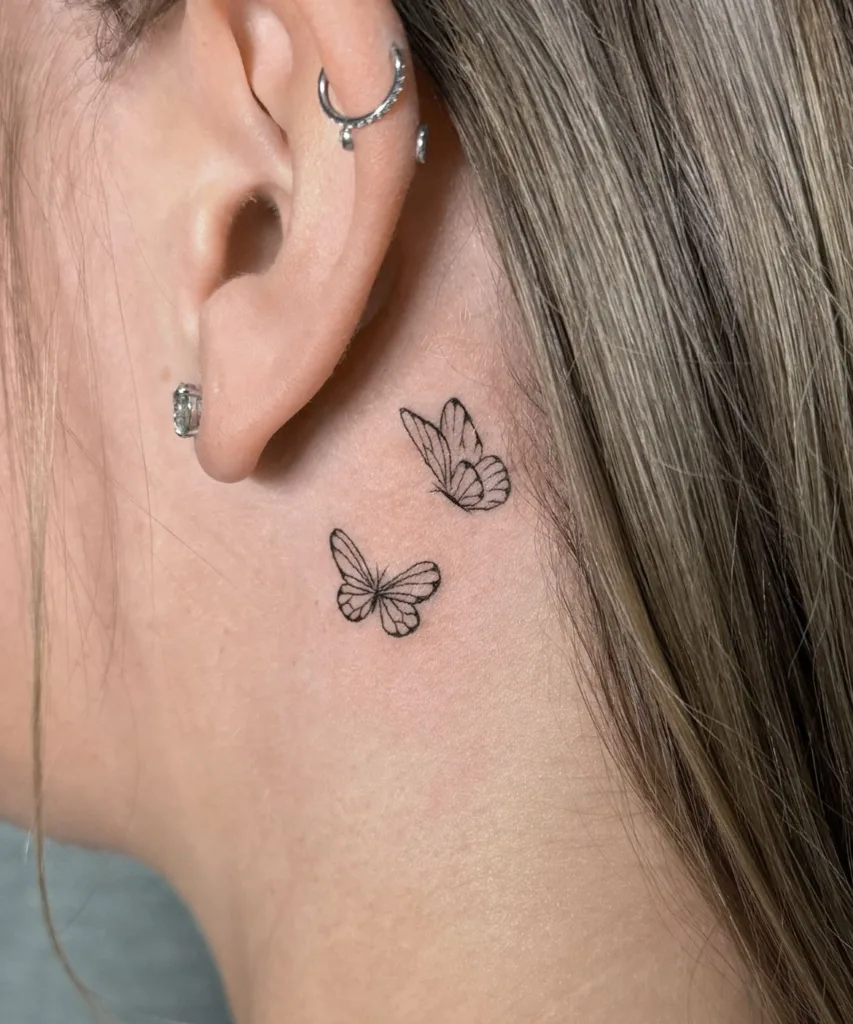
The neck is the perfect spot for anyone who really wants to make a statement. It’s not the least noticeable choice, but it is one of the most impressive.
Pain: Varies greatly depending on the exact location. The side of the neck is often less sensitive than the back of the neck or the area just behind the ear, where the skin is thinner and you’re closer to nerves and bone.
Recovery: Hair, collars, and scarves can cause friction, so keep that in mind during the first few weeks. Sleeping may also take some getting used to, depending on your sleeping position.
Care: Wash your hair gently and make sure the shampoo doesn’t come into direct contact with the fresh tattoo. Be careful when wearing necklaces or scarves until the skin has fully healed.
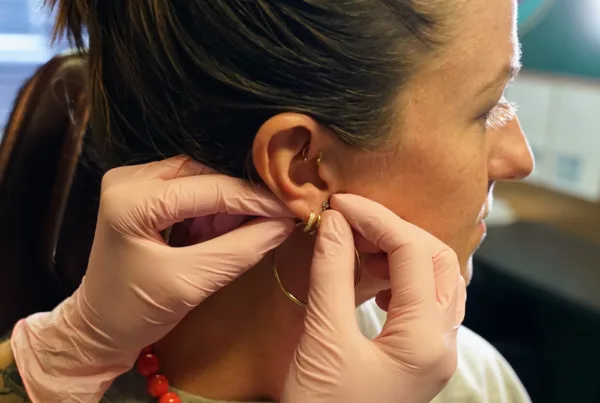
Trend: Small, subtle tattoos behind the ear or on the nape of the neck have been very popular for some time now: just visible enough, yet just hidden enough.
Calf
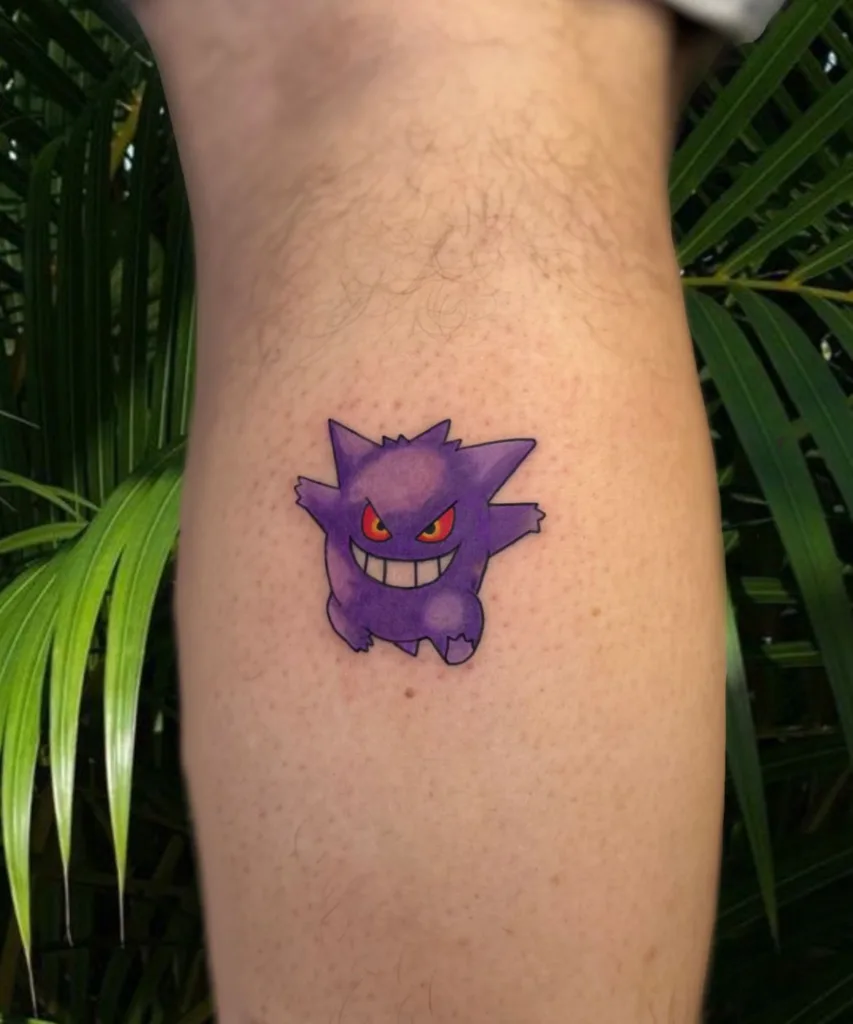
The calf is becoming increasingly popular, mainly because it offers plenty of room for a larger or more detailed design.
Pain: Generally speaking, it’s not too bad. The calf has a relatively large amount of muscle tissue, which is why most people find it to be one of the more comfortable areas. It does become more sensitive just behind the knee or close to the shin, though, because that’s where you’re closer to the bone.
Healing: Because the calf moves a lot when walking, biking, or exercising, the skin in this area can stretch more than usual during the healing process. Give yourself some rest during the first week and gradually build up to intense workouts again.
Care: Wear loose pants or joggers that won’t rub against the tattoo, and avoid standing for long periods or doing intense exercise during the first few days. Keep the skin well-moisturized, especially as it begins to peel.
Trend: Because of the large surface area, we’re seeing a lot of custom designs and larger compositions here, ranging from botanical illustrations to detailed blackwork that wraps around the calf.
Forearm
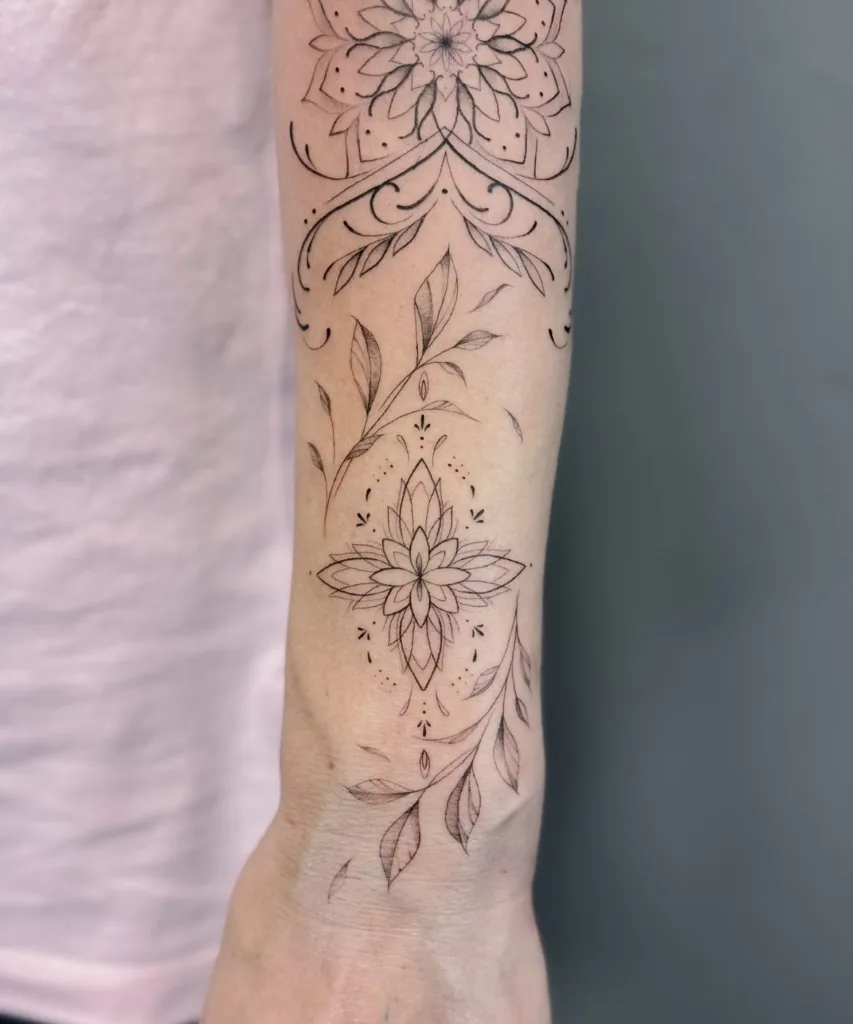
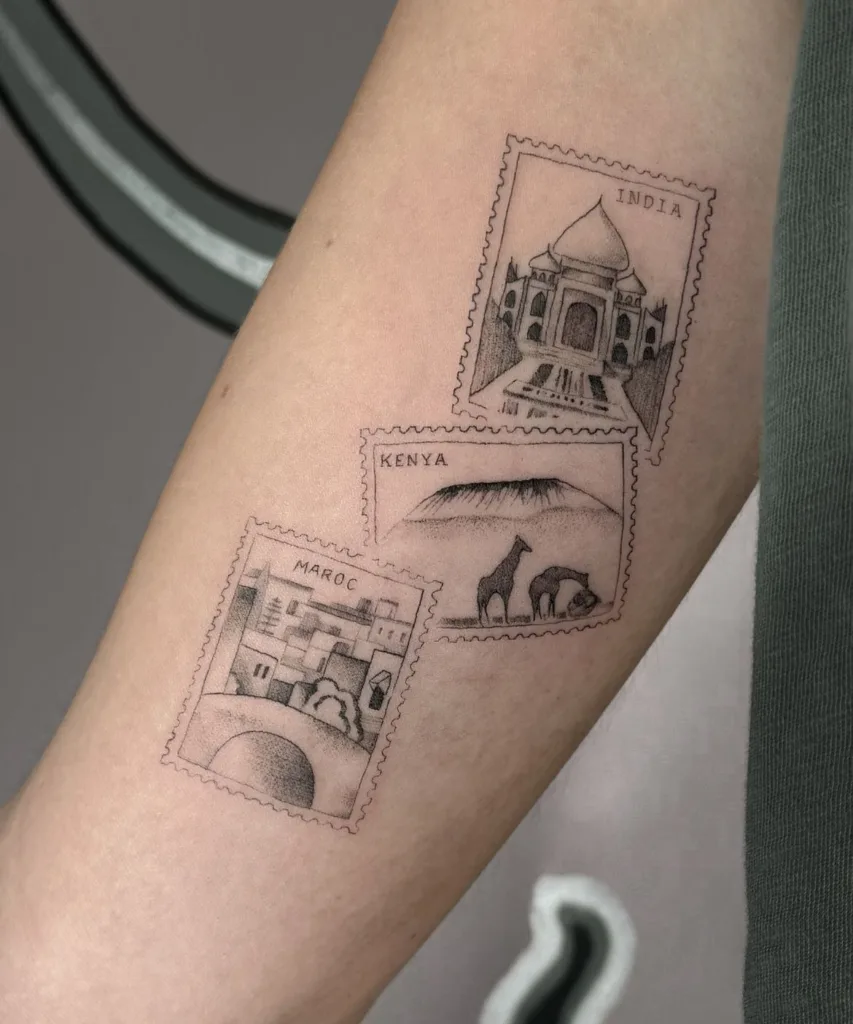
The forearm is perhaps the most versatile spot: big enough for a statement tattoo, but also suitable for smaller ones.
Pain: One of the more comfortable places to start. There’s plenty of muscle and fatty tissue, so most people find this easy to handle. It becomes a bit more sensitive toward the wrist and elbow, because the skin is thinner there.
Healing: The forearm moves less than, say, the wrist, which often makes the healing process go smoothly. Be careful with sleeves that rub against the skin, and keep the tattoo out of the sun for the first few weeks.
Care: Apply a thin layer of balm regularly and wear loose-fitting sleeves until the skin has healed. Once it has healed, SPF is essential to keep the details sharp.
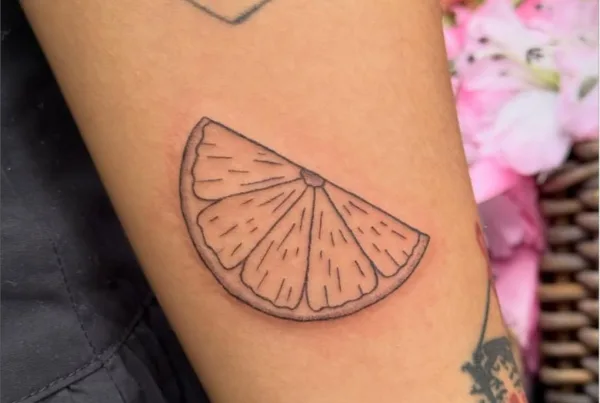
Trend: The forearm is extremely popular for sleeves and larger designs that are built up in phases, but it’s also ideal for a row of smaller tattoos placed side by side.
Would you like me to incorporate these two into the existing document (in the right place between “Ribs” and “Neck,” for example) and create a new version of the file?
Forearm vs. Inner Arm: A Quick Comparison
Here’s a bonus tip, since we get this question often. The forearm (outer side) is generally less painful because it has more muscle tissue, and it’s also easier to show or hide. That makes it an ideal choice for anyone who’s still unsure about visibility at work. The inner arm is more sensitive due to thinner skin and more nerves, but that’s precisely why it’s becoming popular for more personal, intimate designs that you’d rather not show everyone right away.
What You Can Definitely Expect at INKORPORATED
No matter which of these spots you choose, every tattoo starts with an honest conversation with us. Our artists work with you to figure out what suits your vision, your pain tolerance, and your lifestyle. After all, a tattoo on your ribs simply doesn’t go as well with a full-time sports schedule as a tattoo on your ankle. We always provide you with clear aftercare instructions, so your tattoo will look sharp and beautiful not just during the first week, but for years to come.
Still unsure about the right place for your design? Feel free to stop by one of our boutiques in Amsterdam City Center, De Pijp, or Reguliersdwarsstraat, or schedule an appointment. We’d be happy to help you figure it out.